So you finally took the leap and decided to visit Japan! But you’re overwhelmed with all the options and are trying to narrow down the things you actually want to see. Don’t worry, I got you! Welcome to my ultimate guide for first time visitors to Japan.
On our first trip to Japan, my husband and I decided to visit Kyoto, Osaka, and Tokyo. With just 9 full days, we had a lot of ground to cover and even with our jam packed schedule, we barely scratched the surface of what Japan has to offer. So, get your walking shoes on, cause we’re off to another adventure!
TIP: We visited in June of 2024, where the weather was… hot. So if you don’t have a portable fan, I recommend stopping by a store to get one. You’ll also see the locals walk around with umbrellas to shield themselves from the beating sun, which you can also do if you don’t mind carrying it around. You’ll also be doing a lot of walking, so if you’re a sweater like me, a body stick may be a good thing to have on hand to reduce the chaffing. Keep in mind that June is also consider their rainy season, but luckily it only down poured for one day during our time there.
Getting to and around Japan
On our first day in Japan, my husband and I planned to go straight to Osaka after we landed at Narita International Airport (NRT), which is located in Tokyo. Once we collected our bags, we made our way to the ticketing office to purchase our N’EX tickets. This train will take us to Tokyo station, where you will transfer to a different train to Osaka or to any other major stations. We also decided to purchase our return N’EX ticket that will take us back to the airport on our departure day. We decided to do so, so that our departure will run as smooth as possible and to ensure our spots on the train. TIP: If you decide to purchase round trip tickets too, be sure to keep these tickets with you; if you lose them then you will have to repurchase the tickets. You’ll also have the option to upgrade your seats on this train, but I don’t think its necessary. If you’re wondering what to do with your luggages during your transit, just find the designated area where you can store them. They even provide locks for it! TIP: The N’EX train runs every 30 mins, so if you want to roam the train station, be sure to give yourself amble amount of time. There is no rush!
From Tokyo to Osaka, we opted to take the bullet train to save us time. We also purchased our round trip tickets to Osaka and back to Tokyo at the same office above. The employee was very informative and even helped us choose the right seats to be able to see Mt. Fuji when the train passed by.(You’ll want to sit on the right side, facing the same direction as the train.) Again, if you purchase round trip tickets that also leaves on a later date like we did, be sure not to lose that ticket. TIP: If you can afford to upgrade your seats on the bullet train, I really recommend doing so. The seats were very spacious and comfortable! There’s even Wi-Fi included! If you’re traveling with luggages, you’ll also have to purchase a spot for your items, but don’t worry, this was very inexpensive to do so. The luggages are stored at the end of the carrier, behind the last row, which is where we also selected our seats so that we can keep an eye on our belongings. However, if you just don’t want to deal with transporting your luggages at all, there are luggage transfers available that will take your bags from hotel to hotel.
At this same office, we also purchased our Suica cards which is used to ride the local trains. TIP: You can ride almost all local trains with this card and it can be used at the vending machines you see around the cities, convenient stores, and even at the claw machine shops! There are two types of Suica cards you can purchase: the Welcome Suica cards (red card) is for tourists, which has no activation fee and expires after 28 days. This card can only be reloaded with cash, so any unused money left on the card will be forfeited once the card expires. You’ll also have to show your passport to get this card to ensure that you are actually a tourist. Another option is the green Suica card that all the locals use. This card requires a small deposit to activate but is good for 10 years. Again, this can only be reloaded with cash at the kiosks found at the train stations. However, there is a green Suica card app that can also be downloaded straight into your mobile wallet. I highly recommend using the app instead of a physical card. This way, you can easily reload money into the mobile wallet through your phone without having to worry if you have enough cash to do so. It’s quicker and extremely easier this way. Keep in mind that if you use the mobile wallet Suica card, you will need to have your internet/data on.
Things to Do in Kyoto
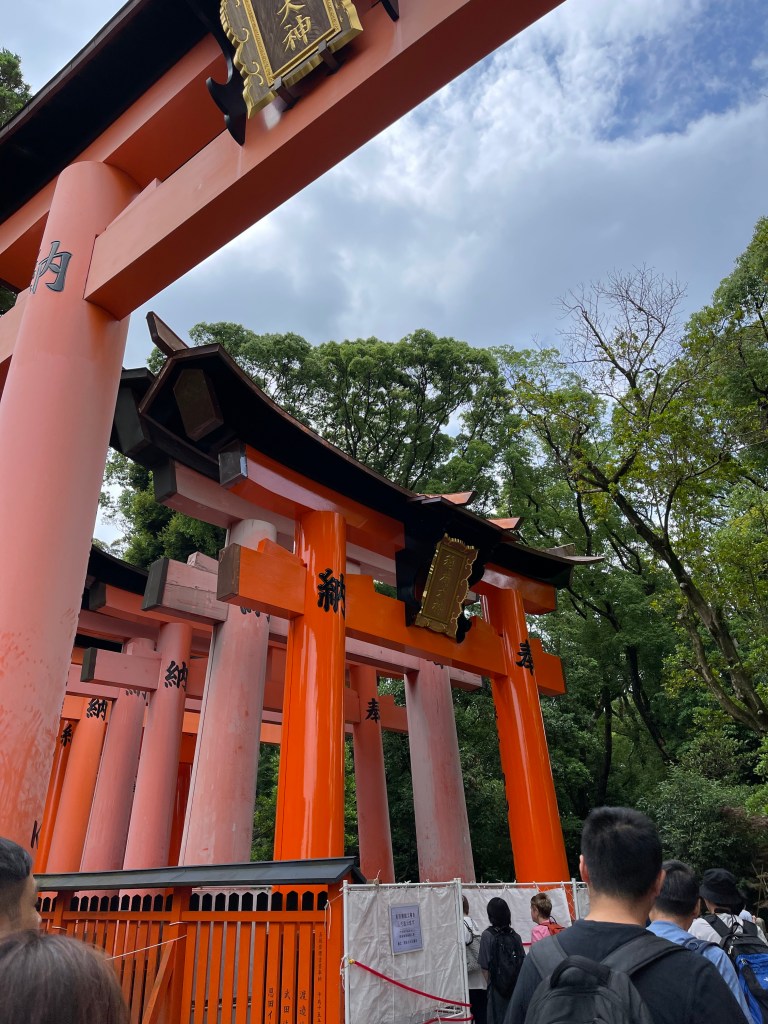
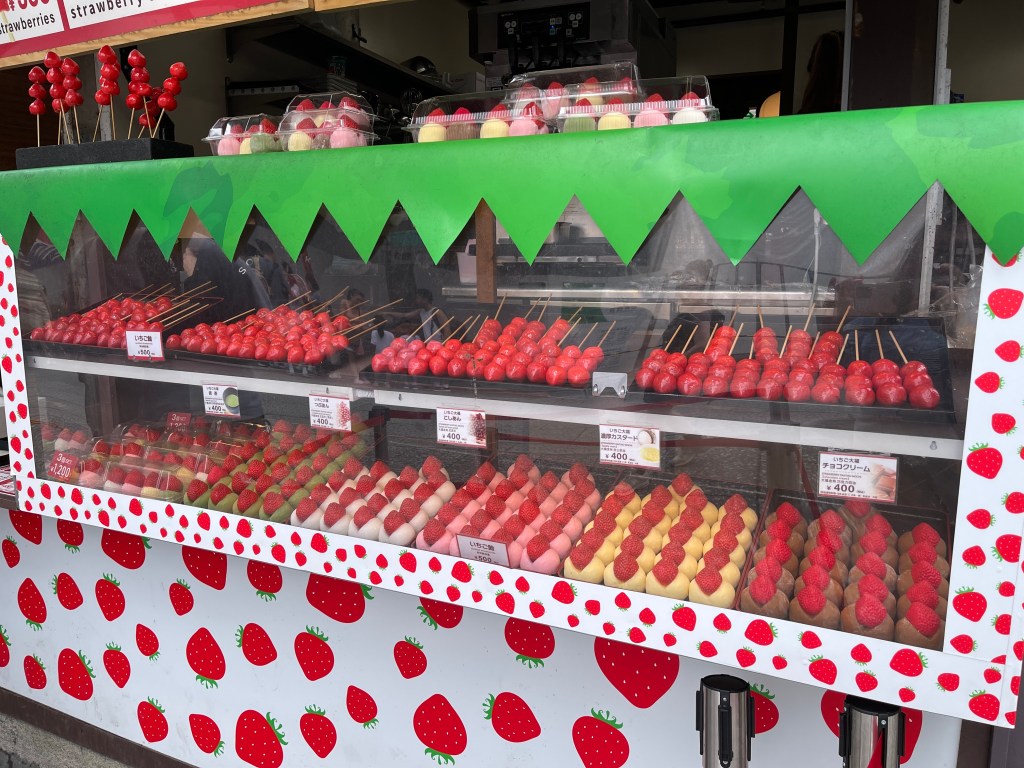
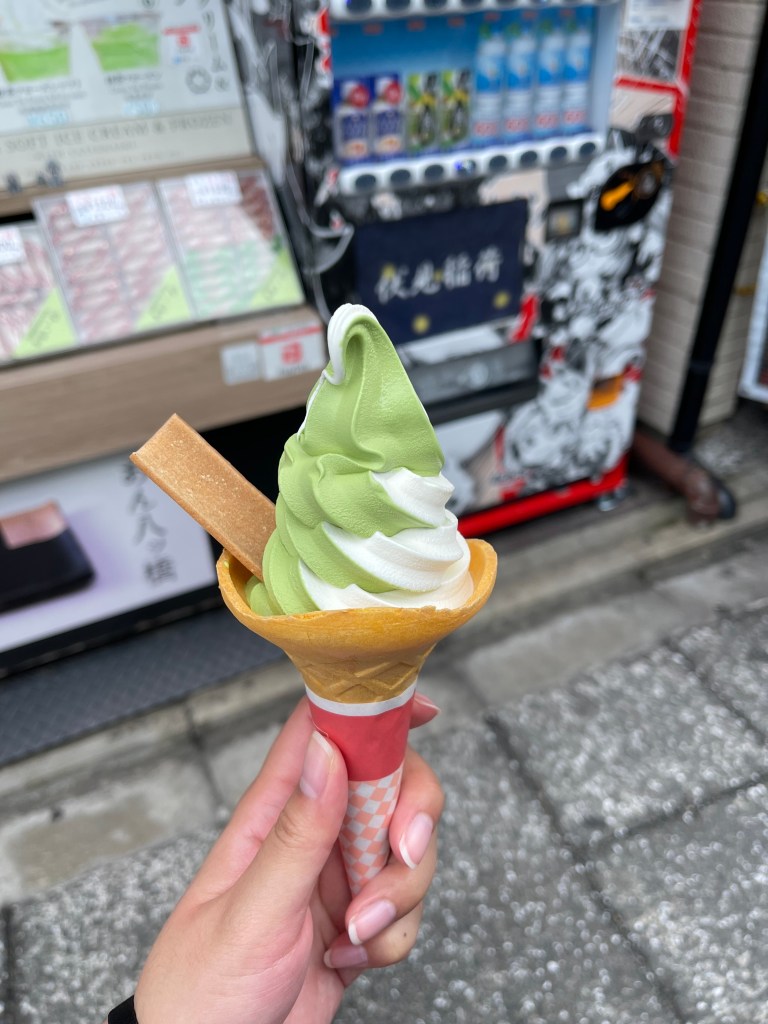
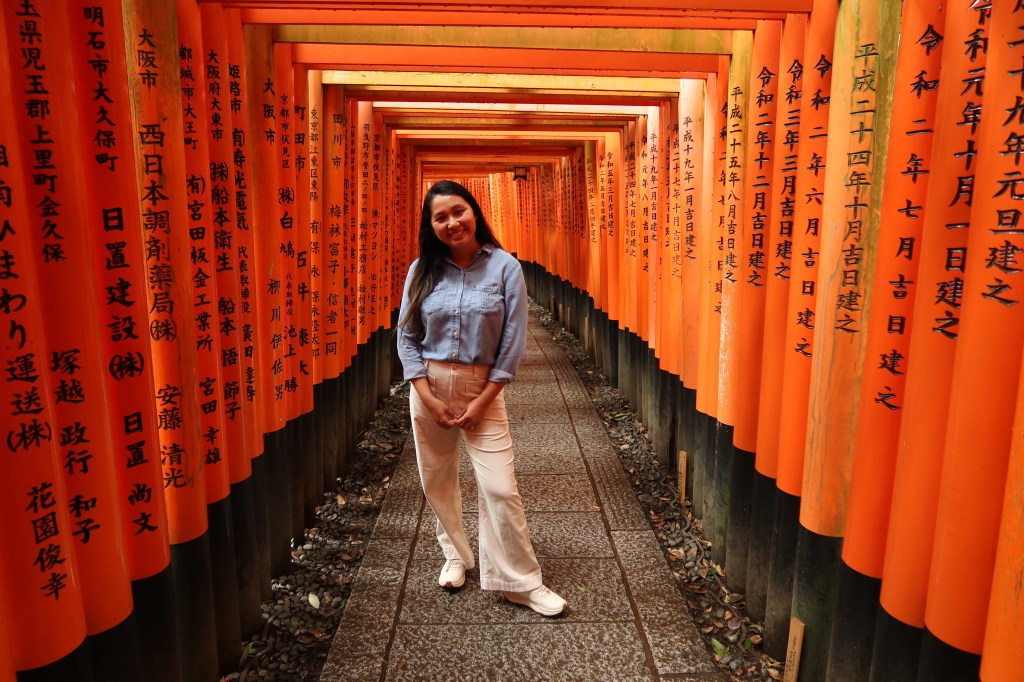
My husband and I stayed in Osaka, and took the bullet train to Kyoto the next morning after arriving in Japan. This trip took us about 45 mins to get to the city. Our first stop was to Fushimi Inari Taisha, known for their thousands of vermillion trolli gates. Here, you can take a stroll through the gates while admiring it’s infrastructures , and even hike to the summit of the mountain, which can take 2 to 3 hours round trip. But don’t worry, you don’t actually have to walk all the way up, you can just turn around and walk back through the other side of gates after you finish passing through the first set of them. TIP: Go early to avoid the crowds. This is a very popular place to visit, so going early is ideal. Once you turn back around and exit Fushimi Inari Taisha, you will enter a small market that sells sweets and food. Be sure to explore that area and stop by a stand for some matcha ice cream or a strawberry mochi. You won’t regret it!
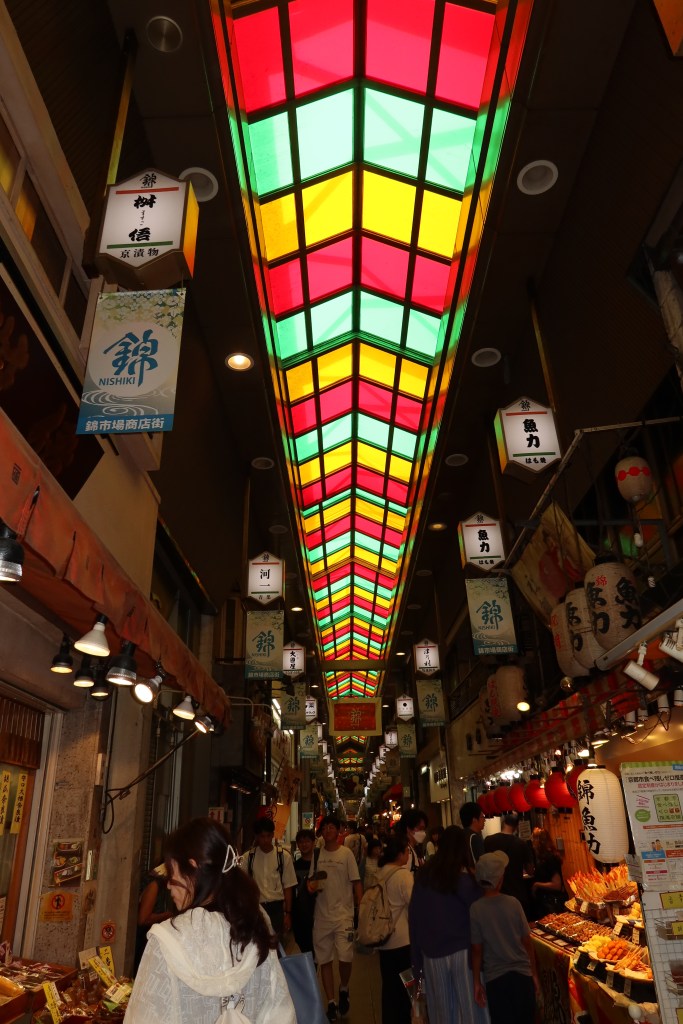
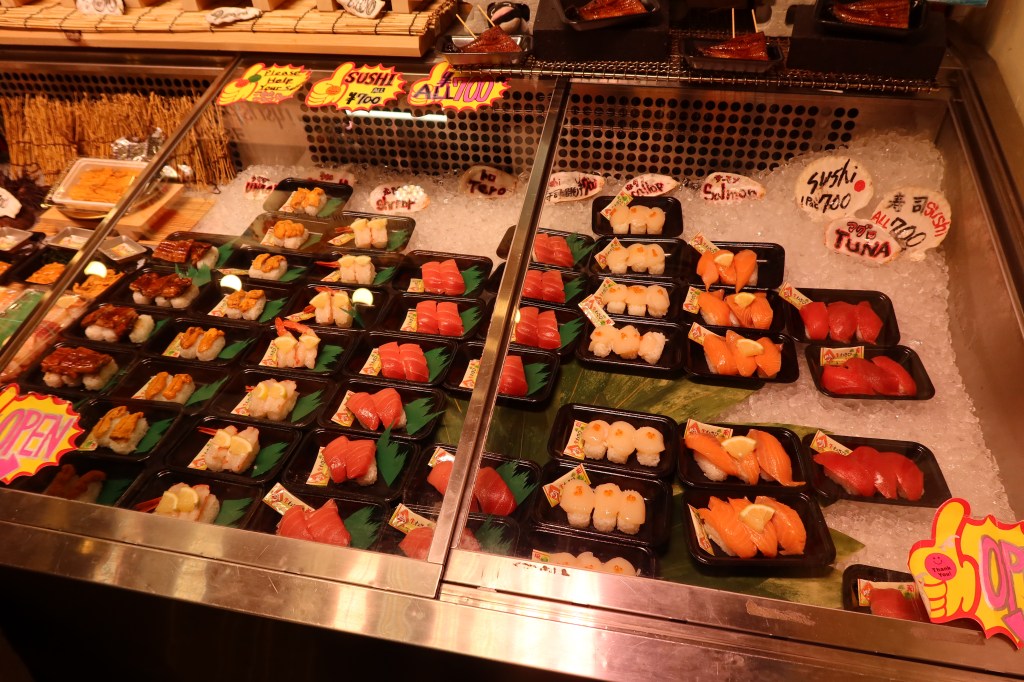
At this point, I’m sure you are now starting to build an appetite, so let’s head on over to Nishiki Market. Immerse yourself in the beautiful and large market offering souvenirs, household items, sweets, and food. Stop by any stand and explore what they have to offer, or step into any booth for a meal. TIP: If you purchase a food item from any stand, you will have to eat your item near that specific food stand. It is not recommended to walk and eat in Japan. At Nishiki market, my husband and I also sat in a restaurant for some sashimi and stopped by another booth for some fresh fish. We just couldn’t get enough of it. The fish in Japan are on another level, regarding freshness and quality. I highly recommend you try any type of fresh fish if you can. But really, anything you get there wouldn’t be wrong. Needless to say, everything we tried was darn delicious.
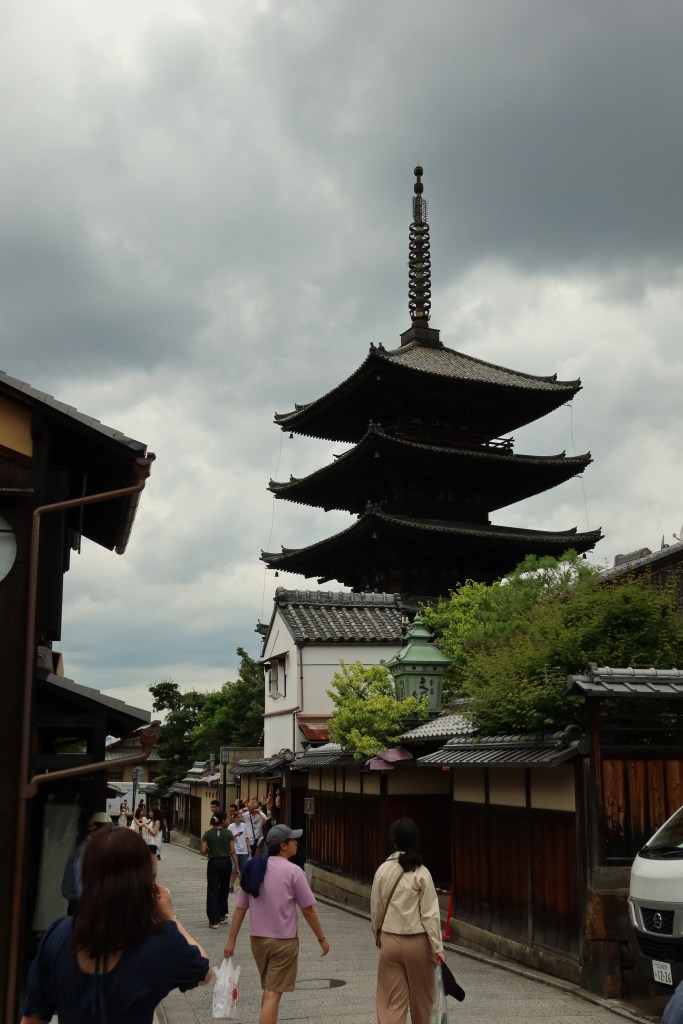
After stuffing our bellies at the market, we headed over to Gion District, also known as the “Geisha District.” We took our time exploring this area, walking into shops and taking in the beautiful surrounding views. We found ourselves immersed in the culture as we viewed restaurants, ochaya (traditional tea house), and traditional wooden machiya merchant houses. We even stumbled upon other temples like To-ji. We could have easily spent half the day here just venturing around the area.
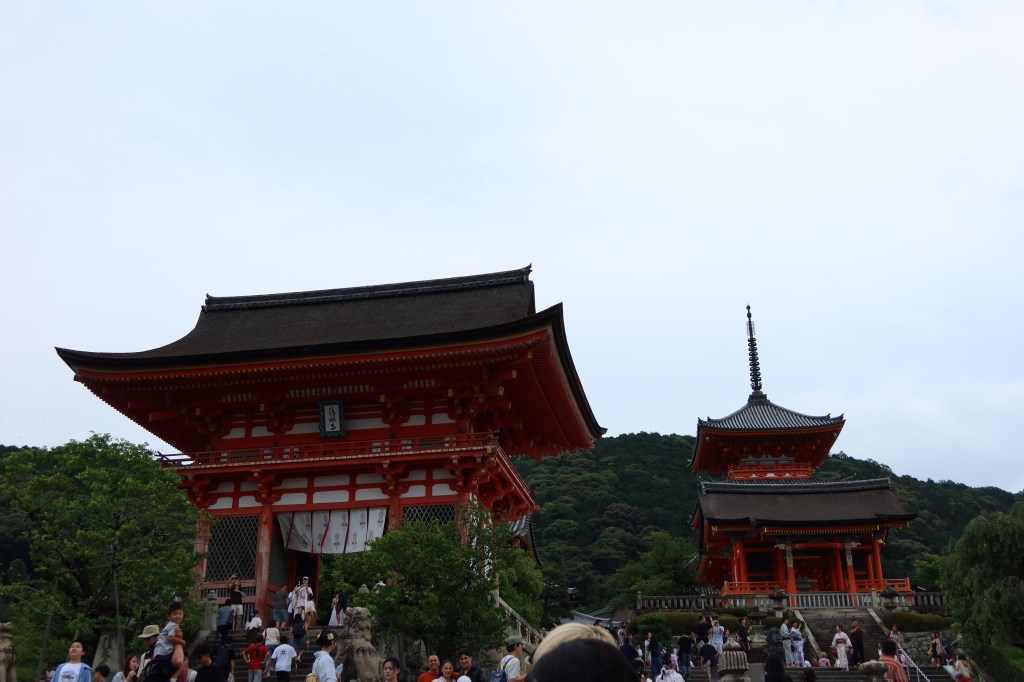
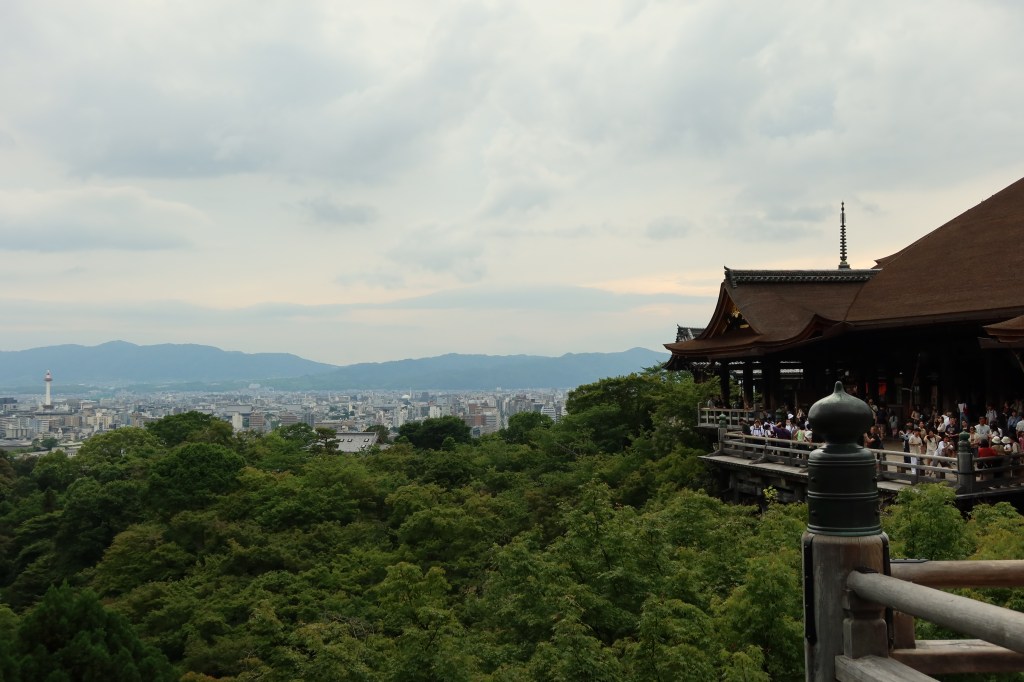
Our last stop of the day was to Kiyomizu-dera Temple, which is one of Japan’s most famous temple and a UNESCO’s World Heritage site. Walking up to this temple, I can see why. Kiyomizu-dera Temple is beautiful itself, standing bright orange-red against the greenery below. Once you make it up, you can view the city from afar. It really is a great place to reflect and appreciate the views. You can further explore the site and walk around the grounds to truly grasp the beauty of the temple. On the grounds, you can find a running water area below that visitors use to purify themselves with, along with ponds of fishes. This is a great stop for visitors to immerse themselves in the history and culture of Japan.
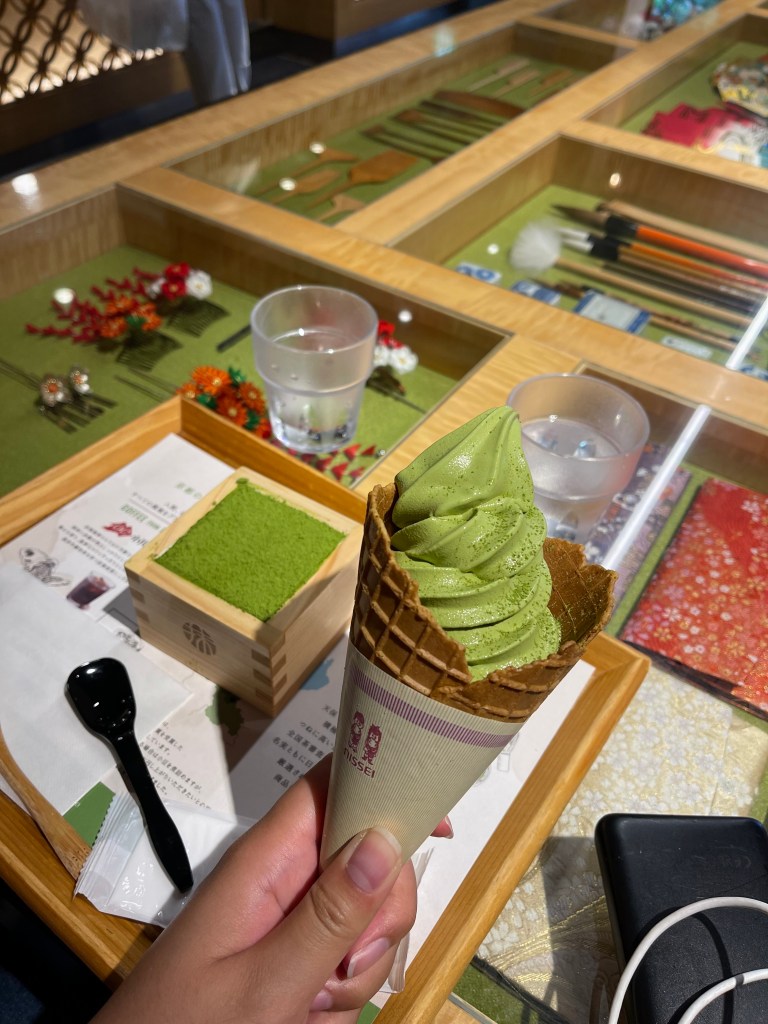
Lastly, don’t forget to stop by for some matcha! After all, Kyoto is the birthplace of this infamous green tea. After visiting multiple matcha shops around Japan, I found that you can order different levels of matcha intensities for your drink, customizing it to how strong you like the matcha flavoring. We stopped by a shop in Nishiki market and in Gion District but you can basically find matcha anywhere and in an assortment of desserts.
With just one day in Kyoto, it was impossible to fit everything we wanted to try. Here are some other options for you to do in Kyoto that we didn’t get the time to do: Arashiyama Bamboo Forest and Kinkaku-Ji (The Golden Temple).
Overall View
Kyoto was a great start to our Japan trip. We had a blast exploring the area and really diving into the culture here. The markets, temples, and shrine really exceeded all of my expectations. My favorite activities here was definitely the markets and Gion District. I really think Kyoto is the best place to dip your feet into everything that Japan has to offer. As you will see in my other blogs, each area really offers something different than the last, really offering a vast diversity in this country.
I can’t wait to keep exploring Japan with you! Watch out for my blogs for the best things to do in Osaka and Tokyo. Be sure to get some rest, cause we’ll be hitting the ground running with our next adventure.
Finish your Japan research with my other blogs:
A First Timer’s Guide to Tokyo
The Best Day Trip Itinerary to Osaka
As always, thanks for being here!
Don’t forget to subscribe! Follow me on Instagram, Pinterest, and Tiktok!

